Kids’ rooms fill up fast, and a messy space makes bedtime and cleanup harder for everyone. Toys, books, clothes, and craft supplies seem to multiply overnight, and parents often end up tidying the same piles every day. A simple system helps children take part in keeping things organised, and it makes the room safer, calmer, and easier to use. These ideas work for toddlers, school-age children, and teenagers alike.
Start by Sorting and Decluttering
Before buying any storage, reduce what needs storing. Sort toys into groups: keep, donate, repair, and throw away. Remove broken items, puzzles with missing pieces, and toys your child has outgrown. Involve children in the process, because they are more likely to keep the room tidy when they have helped decide what stays. A step-by-step plan like this one on how to declutter your kids’ toy storage in one weekend makes the job quicker and less stressful.
Sort Toys Into Categories
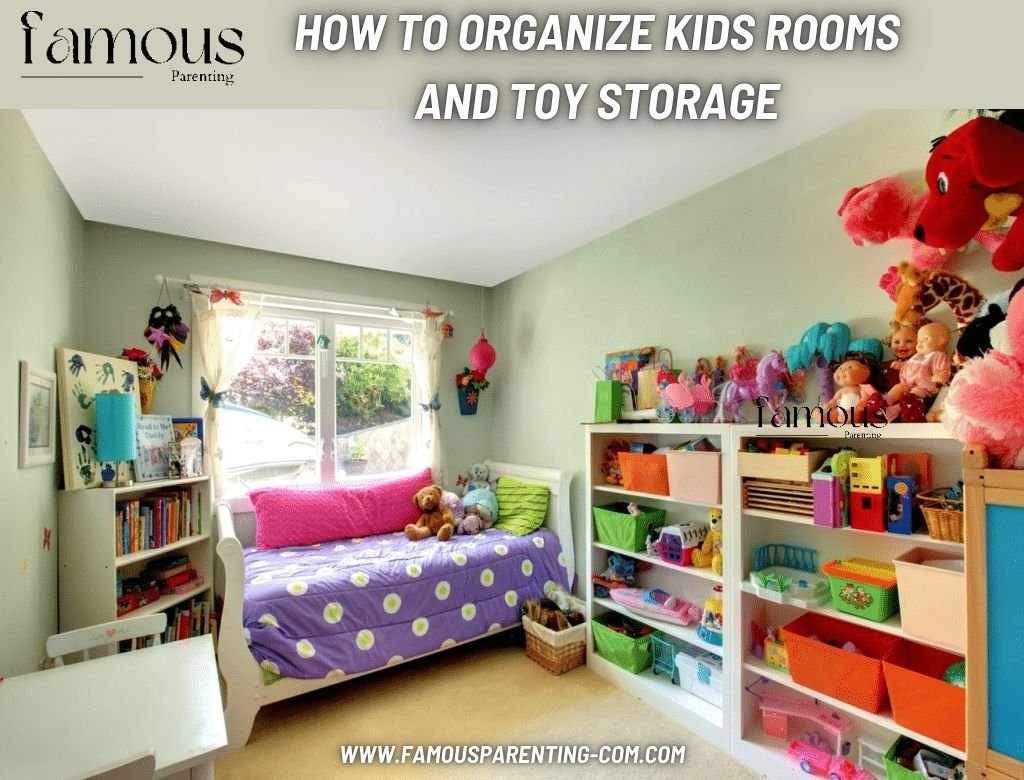
Group similar items together, such as building blocks, art supplies, dolls, vehicles, books, and soft toys. Give each category its own bin, basket, or shelf. This makes it easy for children to find what they want and, just as important, to put it back. Keep categories simple, with no more than six or eight groups, so the system is easy to remember.
Use Low Shelves and Open Storage
Children need storage they can reach. Low shelves, open bins, and baskets let them get their own things without help. Keep heavier items on lower shelves for safety, and anchor tall furniture to the wall. Open storage works well for items used every day, while closed boxes suit things used less often. If children can see where things go, they are more likely to tidy up.
Label With Pictures
For younger children who cannot read yet, picture labels make tidying simple. Stick a photo or drawing of the contents on each bin. Older children can use words or colour coding. Labels turn tidying into a matching game and reduce arguments about where things belong. They also help babysitters, grandparents, and visitors put things back correctly.
Rotate Toys
Too many toys out at once overwhelms children and makes mess more likely. Keep only a few sets available and store the rest in a cupboard or under the bed. Swap them every few weeks. Children often rediscover old toys with fresh excitement, which reduces the need to buy new ones. Rotation also keeps the room tidier and encourages deeper, more creative play.
Make the Most of Small Spaces
In small rooms, use vertical space and hidden storage. Choose beds with drawers underneath, add shelves above the door, and hang organisers on the back of doors. Use under-bed boxes on wheels for toys and clothes. Ottomans and benches with storage double as seating. For more everyday storage ideas, Home Things Ideas is worth a look.
Create Zones in the Room
Dividing the room into zones helps it function better. Set up a sleeping area, a play area, a reading corner, and a homework space for older children. Keep supplies for each activity in its own zone. A soft rug and a few cushions create a cosy reading nook, and a small desk and good lighting make homework easier. Clear zones help children understand where activities belong.
Organise Clothes and Wardrobes
Children grow quickly, so keep only clothes that fit. Use low rails or hooks so children can reach their own clothes, and sort drawers by type. Hang outfits for school in one place, and keep a basket for dirty laundry. Review wardrobes each season and pass on clothes that no longer fit. A simple system makes mornings less stressful.
Build a Daily Tidy Routine
Storage works only if it is used. Set aside five or ten minutes before dinner or bed for a quick tidy. Turn it into a game with music or a timer. Praise effort and keep expectations realistic for your child’s age. Parents who model tidy habits make it easier for children to follow. Consistency matters more than perfection.
Final Thoughts
When everything has a place, children learn routines, and parents spend less time picking up. Declutter first, sort into categories, use low open storage with clear labels, and rotate toys. Add a short daily tidy, and the room stays calm and easy to use. These small habits give children confidence and give the whole family a more peaceful home.