
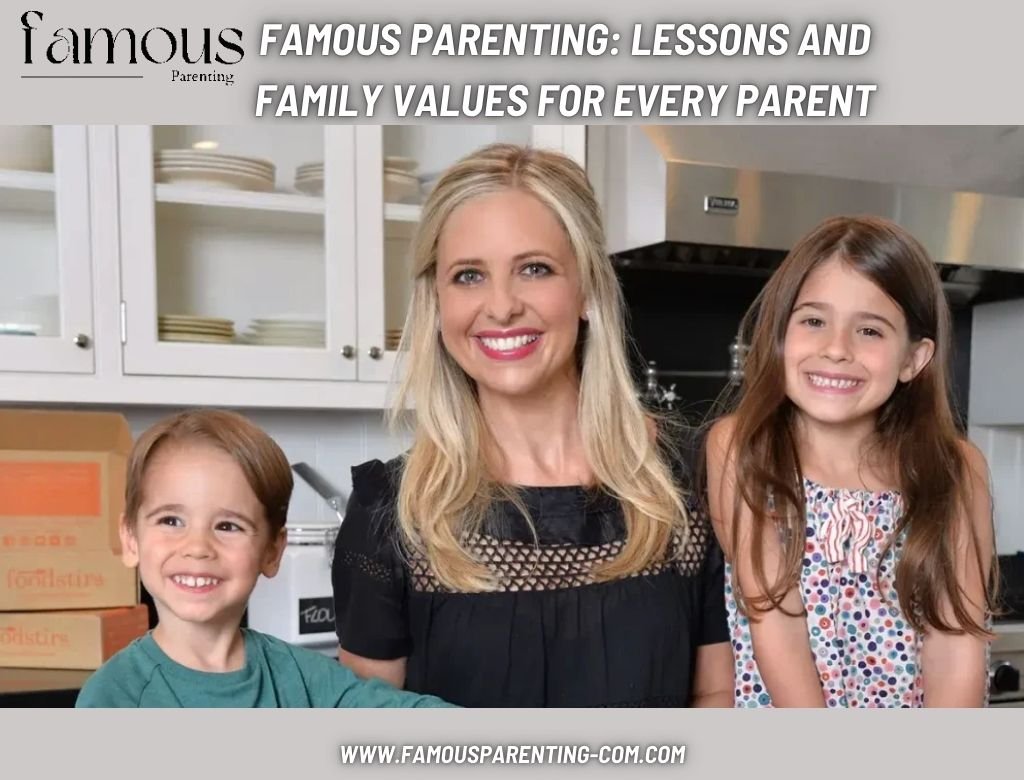
The experience of parenting, along with parenthood itself, is one of the biggest responsibilities in life; every family does it their own way. Many famous people seem to exist in the full spotlight, but they can certainly go through some parenting troubles just like everyone else. One might think that famous parenting involves nothing but glamorous family photos and viral social media posts, but it is also about how to perform at work, all the while being in the public eye, ensuring kids are doing fine based on your values.
Whether it is establishing healthy boundaries or promoting educational and emotional intelligence, many illustrious parents have offered lessons that can set an example for families everywhere. Since each household is unique, utilizing the learning from various parenting styles helps parents deliberately make decisions to foster their children’s development.
What Is Famous Parenting?
Celebrity parenting is the style, philosophy, and experiences of celebrities or public figures who are parents (including athletes, entrepreneurs, etc.). The attention their stories draw often arises because they are raising the children while juggling high-powered careers and being spotlighted by media hounds.
Regardless of their unusual lifestyle choices, many famous parents give solid advice focused on values that may even seem universal (love, respect, communication, education, and quality family time). These are principles that apply in any family, whatever its background or income level.
The Appeal of Celebrity Parenting: Famous Parenting
This is why a lot of parents/travelers like to read stuff related to celebrity families because they give us a new perspective on child-rearing. This will be the first of many installments on this trending topic, why this particular subject continues to gain traction:
- Learning practical parenting strategies.
- How the Successful Get Their Work and Family Balance
- Discovering educational and wellness habits.
- Pinging to find out how to build better families.
- Different Parenting Philosophies From Across The World
Please remember that there are no perfect parents. Public figures even freely speak about blunders, struggles, and the necessity of lifelong learning.
All the Important Parenting Lessons from Well-Known Parenting Stories
Prioritize Quality Time
One of the lessons from famous parenting stories is that children appreciate attention more than expensive gifts. Successful parents make family dinners, vacations, game nights, and weekend activities work despite crazy schedules.
It is enough for the parent-child structure to strengthen by spending together 20-30 minutes a day without interruption.
Encourage Open Communication
This lack of healthy communication builds relationships in which parents and children trust each other. Many famous parents even promote the idea to their children to openly express emotions, regardless of how they will be judged.
How parents can build this habit:
- Listening without interrupting.
- Asking thoughtful questions.
- Respecting children’s opinions.
- Offering guidance instead of criticism.
Children who feel that they are heard generally have more confident and emotionally sustainable characteristics.
Teach Responsibility Early
A classic parenting idea in the popular view is to teach some responsibility from an early age. Plenty of celebrity parents do not spare their kids from household chores, ask them to hold on tight to money, and stay responsible.
Simple responsibilities may include:
- Cleaning bedrooms.
- Organizing Nexus International School materials.
- Helping prepare meals.
- Caring for pets.
- Managing homework independently.
All of these habits contribute to developing confidence at a young age, which helps to prepare children for adulthood.
Protect Children’s Privacy
Social media has become a day-to-day way of life, perhaps, which is why the majority of public personalities keep their children off social media as much as possible. It preserves their privacy and allows them to have time to grow with less pressure.
Here is an example parents can follow:
- Ask children before posting photos.
- Limiting personal information online.
- Teaching responsible internet use.
- Monitoring digital safety.
Having digital awareness is now one of the most essential skills in parenting.
Building Strong Family Values
To be an effective nourisher, start with family values. Children need consistency and positive role models — family or otherwise, no matter if parents are famous or not.
Important values include:
- Kindness
- Respect
- Honesty
- Gratitude
- Responsibility
- Empathy
- Hard work
Most of the values for children are learned through observation of parental behavior rather than by listening to what parents say.
Balancing Career and Parenthood
Job and life balance is one of the most popular problems faced by famous parenting interviewees.
Ways Parents can Help Improve that Balance:
- Creating predictable family routines.
- Setting boundaries around work hours.
- Limiting extra device downtime on a family outing.
- Celebrating important milestones together.
- Being fully present during conversations.
Maybe perfect balance would be impossible, but constant action plays a key role
Supporting Children’s Individual Talents
Every child has rights, assets, interests, and strengths. Most of the parents, who are well respected in society, do not enforce a certain kind of career but rather allow their children to explore whether it is sports, music, science, reading, art, or technology.
Nurturing these innate human abilities fosters development in:
- Self-confidence
- Creativity
- Problem-solving skills
- Independence
- Lifelong curiosity
Continued encouragement is more of a motivator than pressure.
The Importance of Emotional Intelligence
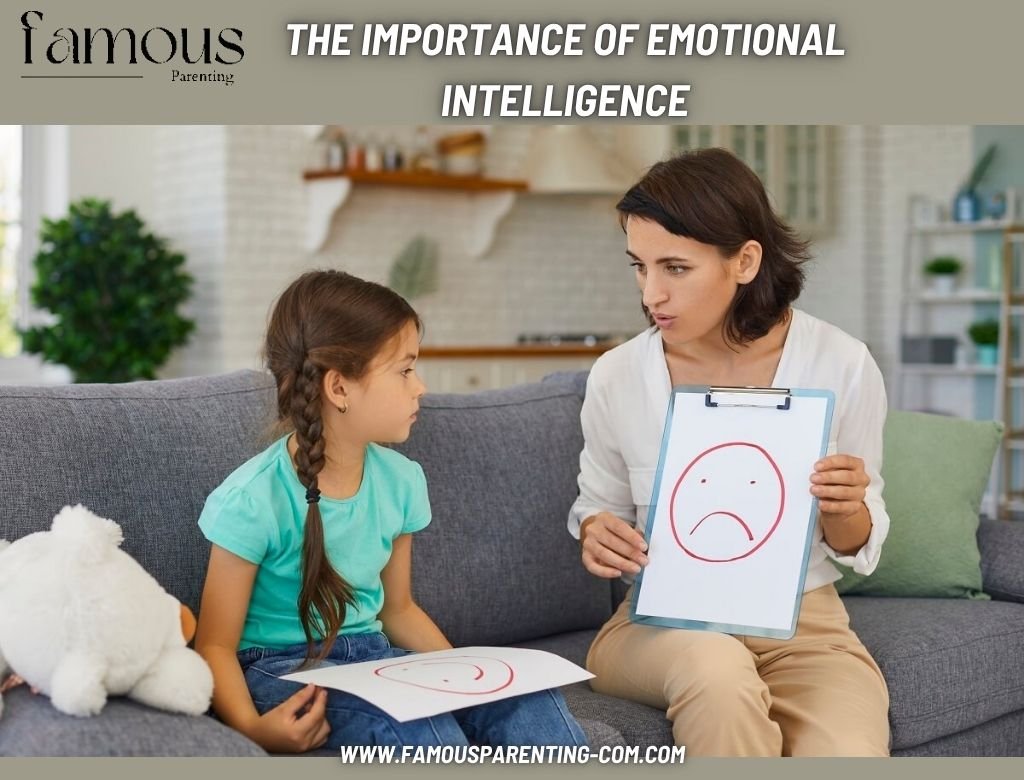
Modern parenting has come to balance a pursuit of academic success with the equally important goal of emotional well-being.
Steps parents can take to encourage emotional intelligence include:
- Teaching children to recognize emotions.
- Practicing empathy.
- Managing conflict respectfully.
- Encouraging gratitude.
- Demonstrating healthy coping strategies.
For the children who do make an effort to hone their emotional intelligence, those skills yield lifelong rewards: The better you are at reading and expressing emotions, the healthier your relationships will be.
Common Misconceptions About Famous Parenting
There’s a common stereotype that parenting is easier in Hollywood because there are some financial resources, and you’ve probably heard people say it. The attention of the public also brings its challenges, including week-long media coverage and internet trolls coming for your top six.
The Big Takeaway? Not the luxury life — it is how to raise healthy, confident and caring kids.
Frequently Asked Questions:
Q1: What does famous parenting mean?
A: It pertains to the child-rearing styles, experiences, and family values of celebrities/public figures and other influential persons.
Q2: So, can normal parents glean too much from celebrity parenting?
A: Yes. Aspects of parenting like communication, consistency, and emotional support are universal and work for every family regardless of their lifestyle.
Q3: Is there a single way of parenting?
A: No. Each child has different needs, and the most successful parents are those who adjust accordingly whilst bringing love, guidance and stability.
Q4: Why is family communication important?
A: A child feels safe expressing their views and feelings, which also builds trust and strengthens relationships.
Conclusion:
To be famous parents reminds us that parenting is mainly not about fame or money, but ultimately about giving our children a loving place to grow. All parents can learn lessons from ideal examples, stressing the importance of communication, responsibility, and emotional health, together with quality family time.
Every family is on a different journey, but the principles of effective parenting are surprisingly similar. They can instead concentrate on honorable values, nurturing relationships, and lifelong learning that will support their children in emerging as self-assured, caring adults.










One Comment