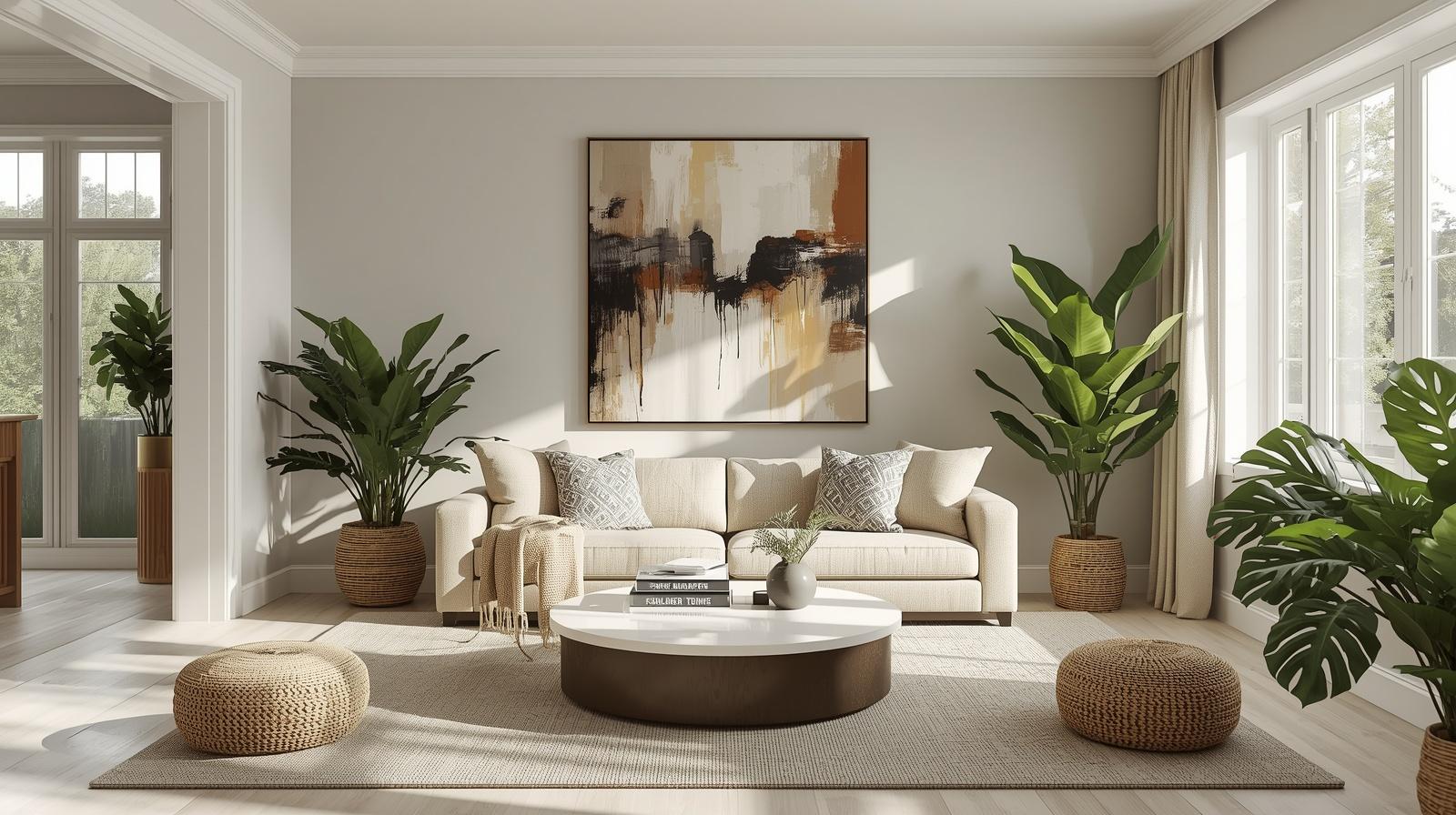
Home improvement is one of the most consistently rewarding investments a homeowner can make — in quality of daily life, in property value, and in the satisfaction that comes from taking your living environment in your own hands. The key to effective home improvement is knowing which changes deliver the greatest impact, which projects are genuinely achievable as DIY, and where professional help is worth every penny. This guide gives you the clearest possible picture of all three.
The Home Improvement Mindset: Impact Over Activity
The most common home improvement mistake is confusing activity with progress. Busy weekends spent on a dozen small projects can leave a home looking much the same as before, while one well-chosen, properly executed change can transform a room permanently. Before starting any project, ask: is this the highest-impact change I could make to this space? If the answer is no, find the thing that is and start there.
High-Impact Home Improvements by Category
Paint — Always the Highest Return
Fresh paint is the single highest-return home improvement available — it transforms the mood, perceived size, and quality of any room for a fraction of the cost of any structural change or furniture purchase. Use premium paint rather than budget ranges — the coverage, finish, and longevity difference is significant. For walls, eggshell or satin finishes are more durable and washable than flat matt. For ceilings, a bright white flat finish maximises light reflection.
- Average cost: £30-£80 per room in materials. A skilled painter charges £150-£400 per room in labour.
- DIY suitability: High — painting is one of the most accessible DIY skills. Preparation (filling, sanding, priming) is more important than the painting itself.
Lighting Upgrades
Improving a home’s lighting has a disproportionate impact on how it feels. The single most valuable change is replacing single overhead lights with layered lighting — adding table lamps and floor lamps alongside the ceiling fixture. Installing dimmer switches (£15-£40 per switch) on ceiling lights allows the same room to feel completely different in the morning versus the evening. Replacing yellow incandescent bulbs with warm-white LEDs (2700K) improves both energy efficiency and visual quality.
- Average cost: £50-£200 for a full room lighting upgrade including two new lamps and dimmer switches.
- DIY suitability: High for lamp placement and bulb changes. Dimmer switch installation is straightforward for those comfortable with basic electrics — otherwise a one-hour electrician job.
Kitchen Hardware and Splashback
A kitchen’s character is disproportionately determined by its hardware and splashback — two elements that can be changed without structural work. Replacing all cabinet handles and drawer pulls with a consistent finish (brushed brass, matte black, chrome) transforms the kitchen’s visual quality in a single afternoon. A new splashback — metro tiles, large-format porcelain, or a continuous stone or glass panel — defines the kitchen’s design identity and is the room’s single most visible decorative statement.
For homeowners planning larger home improvement projects — from kitchen renovations and bathroom refits to extensions and structural changes — connecting with the right skilled professionals is often the most important single decision. Guild of Handymen provides a trusted way to find vetted tradespeople for every type of home project, ensuring that the practical execution of your improvement plans matches the quality of the idea.
Home Improvement Priority Guide
| If Your Goal Is… | Start Here |
| Make home feel bigger and lighter | Fresh white or light paint + new window treatments |
| Increase property value | Kitchen and bathroom improvements — highest ROI |
| Improve energy efficiency | Draught-proofing, insulation, LED lighting, boiler service |
| Refresh without full renovation | New textiles, paint, lighting, and hardware |
| Fix persistent problems | Address damp, structural issues, and electrical safety first |
| Create more storage | Under-bed, under-stair, and wall-mounted storage systems |
The Best Free Home Improvements
- Rearrange furniture: Moving furniture away from walls, creating a clear focal point, and improving traffic flow costs nothing and frequently transforms a room.
- Declutter and edit: Removing a third of your possessions from visible surfaces makes every room look more considered and more spacious. Free, immediate, and consistently effective.
- Clean windows inside and out: More natural light is free. Clean windows — inside and outside — make a meaningful difference to a room’s perceived brightness.
- Improve your garden boundary: Weeded, edged, and freshly mulched borders make a property look well maintained without any planting cost.
If you are looking for design inspiration alongside practical improvement guidance — understanding how the changes you make will integrate into a coherent aesthetic vision for your home — LifeLine Home Style provides a thoughtful, principle-led approach to home design that helps homeowners make more intentional, longer-lasting improvement decisions.
Q: What home improvements add the most value?
A: Kitchen and bathroom improvements consistently deliver the strongest return on investment at resale — typically 60-80% of cost recovered in increased property value. Loft conversions and extension projects deliver strong value in high-demand areas. Energy efficiency improvements (insulation, new boiler, double glazing) are increasingly valued by buyers. Fresh decoration throughout is the most cost-effective value-adding improvement of all.
Q: What home improvements can I do myself?
A: Painting, decorating, tiling, fitting floor coverings, minor plumbing (tap washers, unblocking drains), basic carpentry (shelves, flat-pack furniture), and garden work are all within reach of most homeowners with basic tools and willingness to follow instructions carefully. Electrical rewiring, structural work, gas appliance installation, and complex plumbing always require licensed professionals.